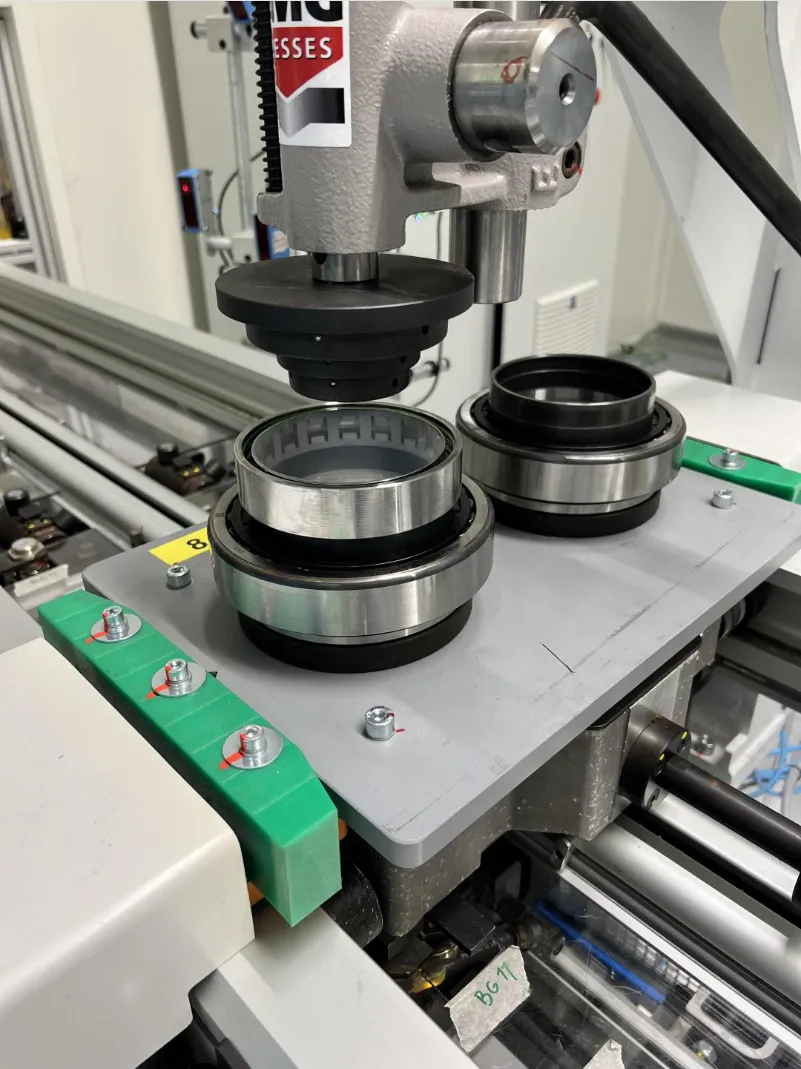

VDL TIM Hapert has signed a multi-year contract with a leading OEM in the truck industry for the production of wheel hubs. These components are an essential part of lorries: they are located at the end of the axle and serve as the mounting point for the wheel.
Because lorries must operate reliably for years and over many kilometres, the wheel hub is a crucial safety component. With this agreement, VDL TIM Hapert takes up an important position in the market and is responsible for a significant share of the total annual production.
Production takes place in a fully automated and robotised environment, ensuring maximum precision and quality. In addition, this scope also includes the supply of wheel hubs for new electric trucks, enabling VDL TIM Hapert to support the transition to sustainable mobility.
Watch our video to see the production line in action!
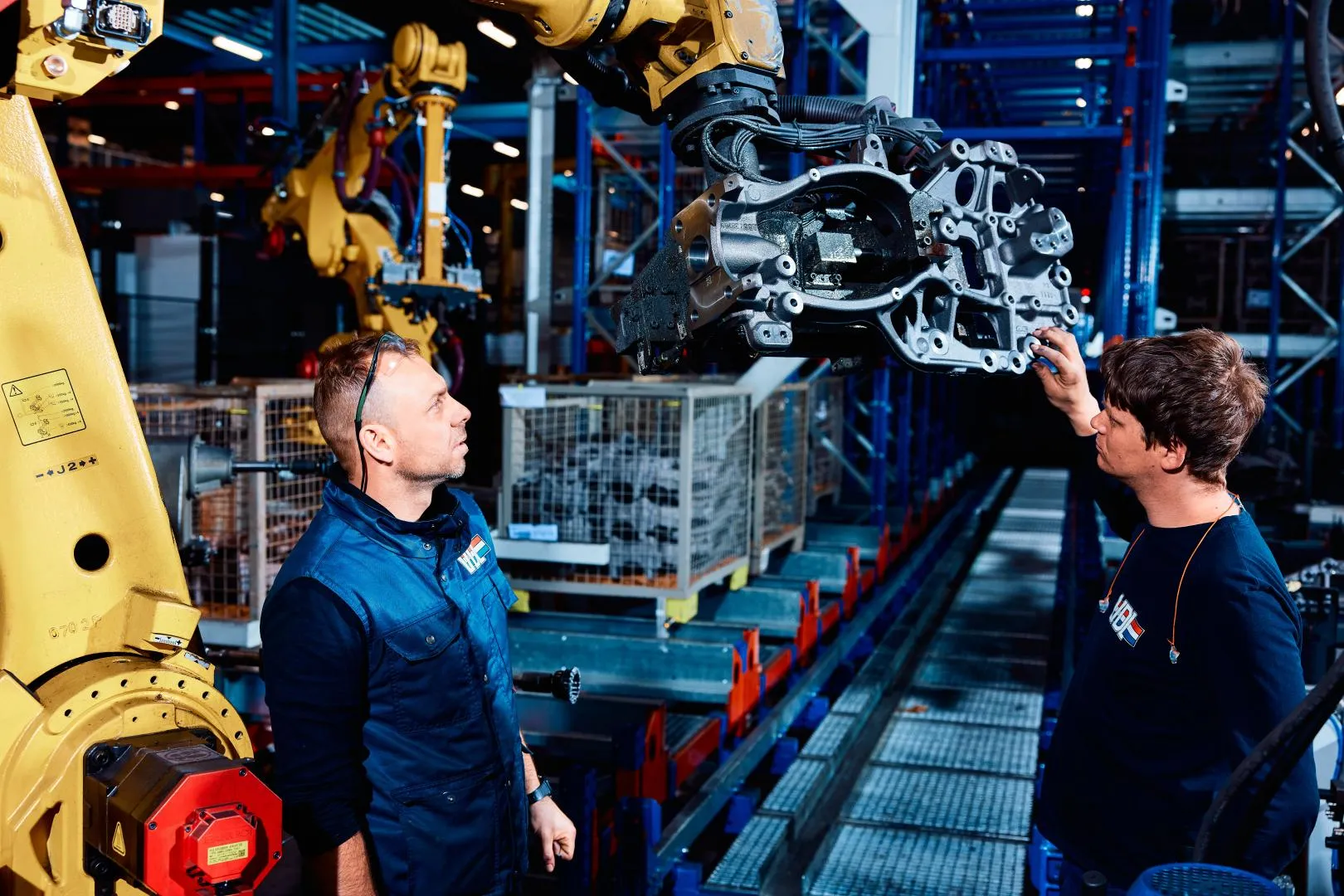
The production process at VDL TIM Hapert is an example of advanced automation, designed and supplied by VDL Steelweld. From an automated warehouse, robots pick raw castings from a bin, a process known as ‘bin picking’. They are then taken to one of eight large machining centres, which can perform both turning and milling operations to process the raw castings into finished products.
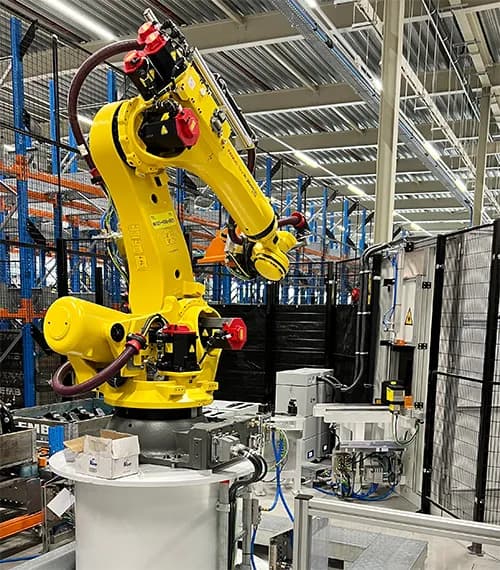
After processing, the products are inspected by an advanced measurement system to ensure they meet stringent requirements. If everything is in order, robots move the products to the next stage of the production line. For more than 50 years, VDL Steelweld has supported companies worldwide in developing automated production lines, with the aim of manufacturing products as quickly and efficiently as possible with a high degree of automation.
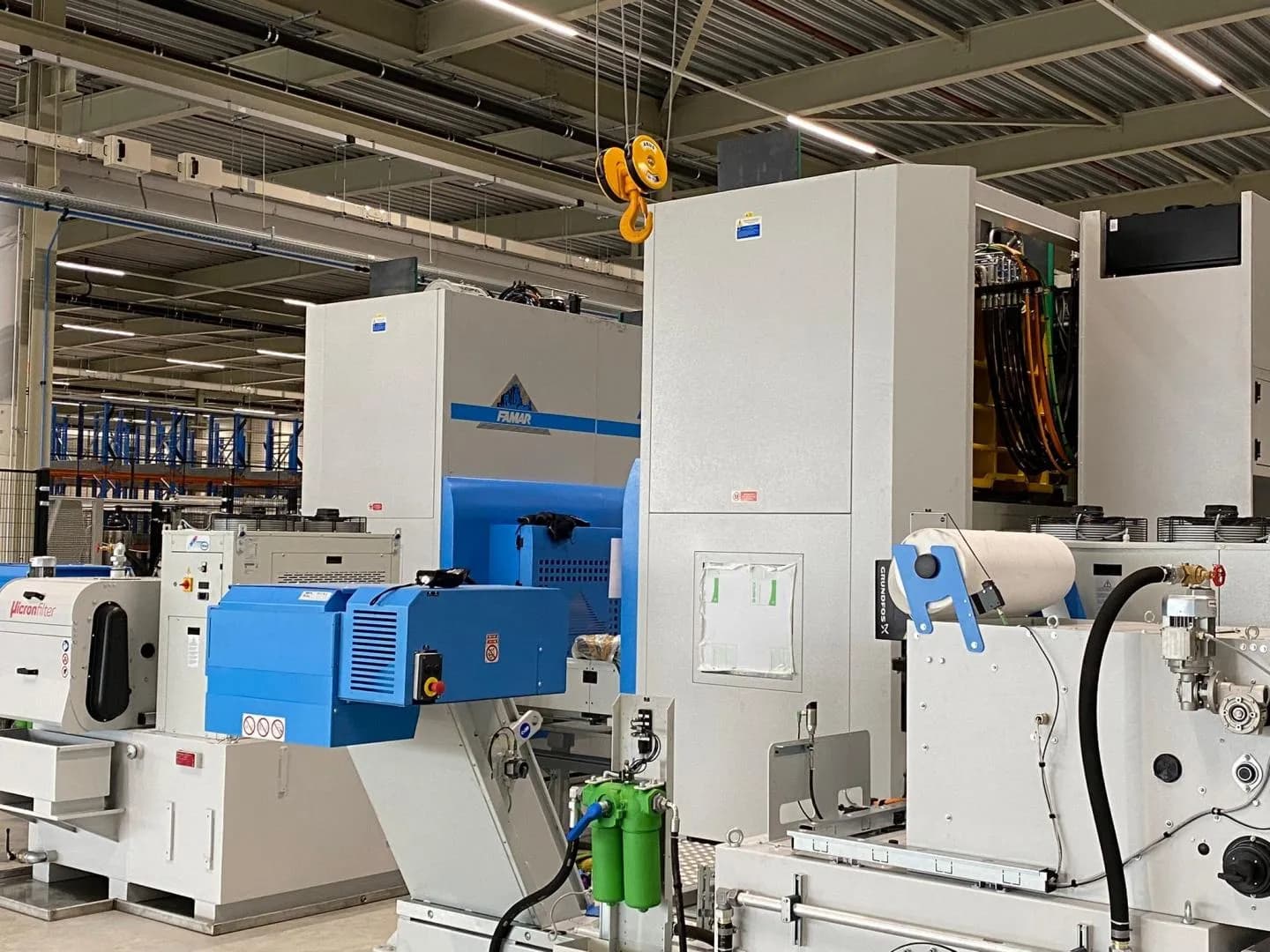
During the machining of the raw castings, chips are produced and recycled. We are currently investigating whether these chips can be compressed into briquettes, which would make recycling even more efficient. After machining, the products are washed in large washing machines and checked for porosity. A camera checks whether any small holes are visible after machining. The products are also coded with a laser, linking all the production data for the specific wheel hub. This is necessary to ensure that everything can still be traced even after many years.
Once all machining operations have been completed, the wheel hubs are transported on autonomous robots to VDL Laktechniek, where they are painted. After painting, the wheel hubs return to Hapert and enter the assembly process via the automated warehouse.